Water-based Acrylic · alkyd emulsion
The modern standard, healthy and stable.
- Dries fast and barely smells
- Doesn't yellow: white stays white
- Flexible, it doesn't crack on wood that moves
Ideal for
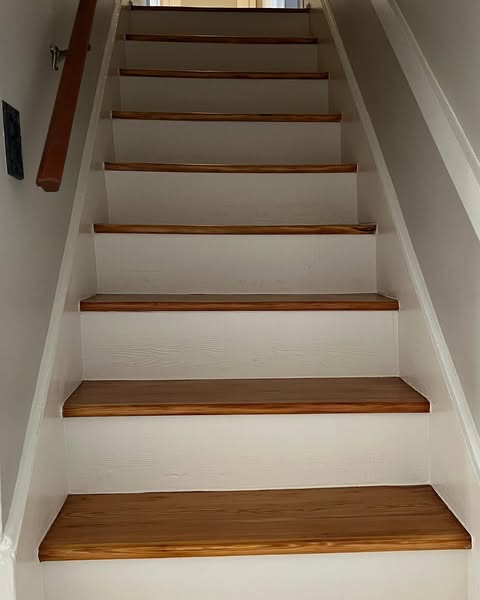
Doors, frames, staircases, cupboards… We give woodwork a smooth, lasting lacquer — with no visible brush strokes.
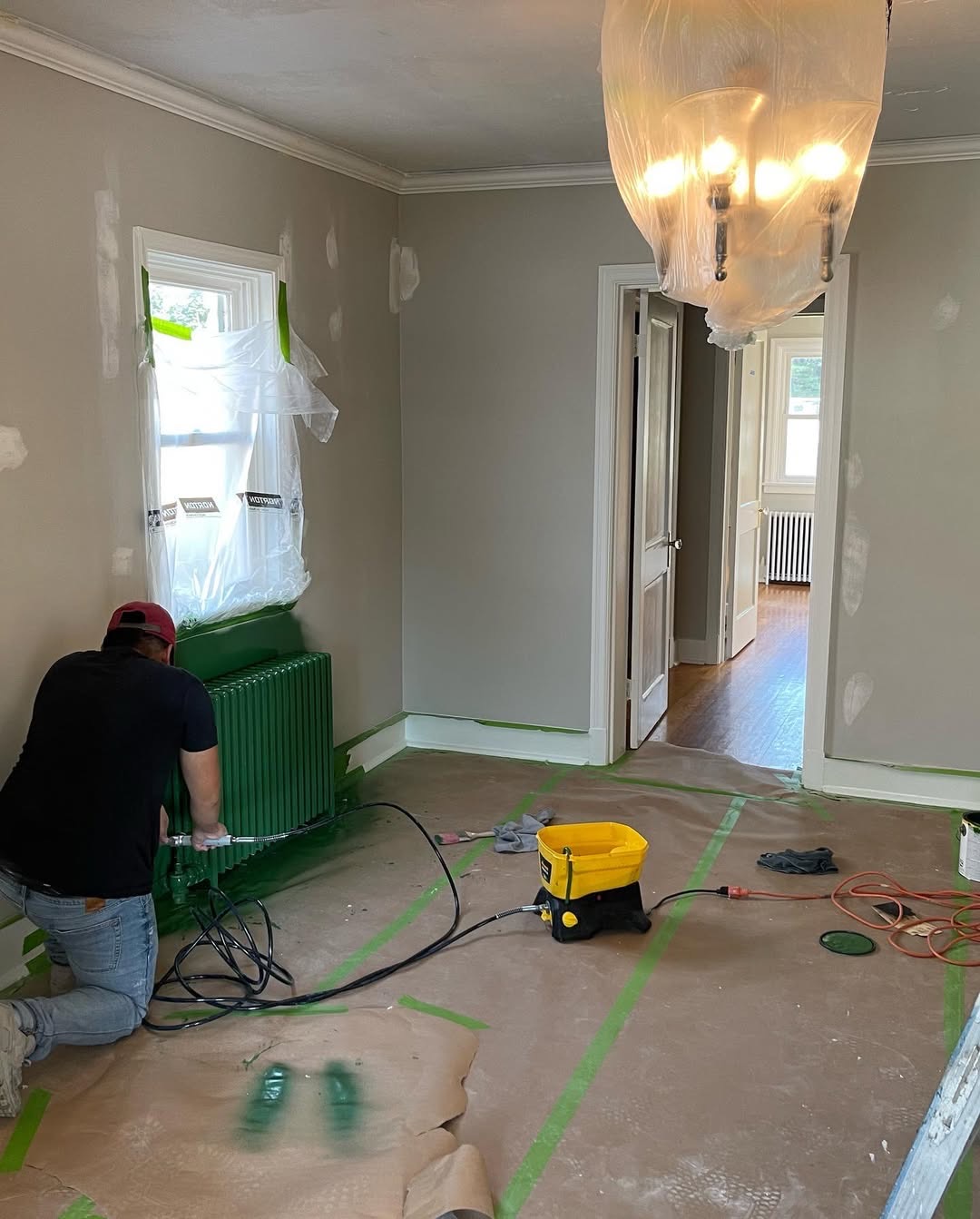
Craftsmanship is mostly the details you don't see. Here are a few principles we apply on every job.
From discreet matte to deep gloss, we match the lacquer to the room and the effect you want.
Two schools of thought for lacquering wood. We explain it simply, and choose by the room and the use.
The modern standard, healthy and stable.
The smoothest, hardest finish.
Our advice Today's water-based lacquers rival oil, without the smell or the yellowing: that's our default choice. We keep oil for the surfaces that take the most punishment.
The practical points that make the job simpler — and the result better. Another question? Just ask, we always answer.
No, but it changes the prep: on old work, we degrease, sand and apply a bonding coat. On bare or damaged wood, it's different again — we look before pricing.
Doors and small items can go to the workshop for a perfect, dust-free lacquer. Fixed elements (staircases, skirting, frames) are done at your place, under protection.
That's typical of oil-based lacquers. Water-based, white stays white over time: we advise you by the room and the use.
The lacquer dries on the surface in a few hours but hardens over several days. We tell you when you can handle it without marking — a little patience guarantees the finish.
It's the ideal moment: we take off handles and locks to lacquer cleanly right to the edges. If you want to fit new ones, plan them before we refit.
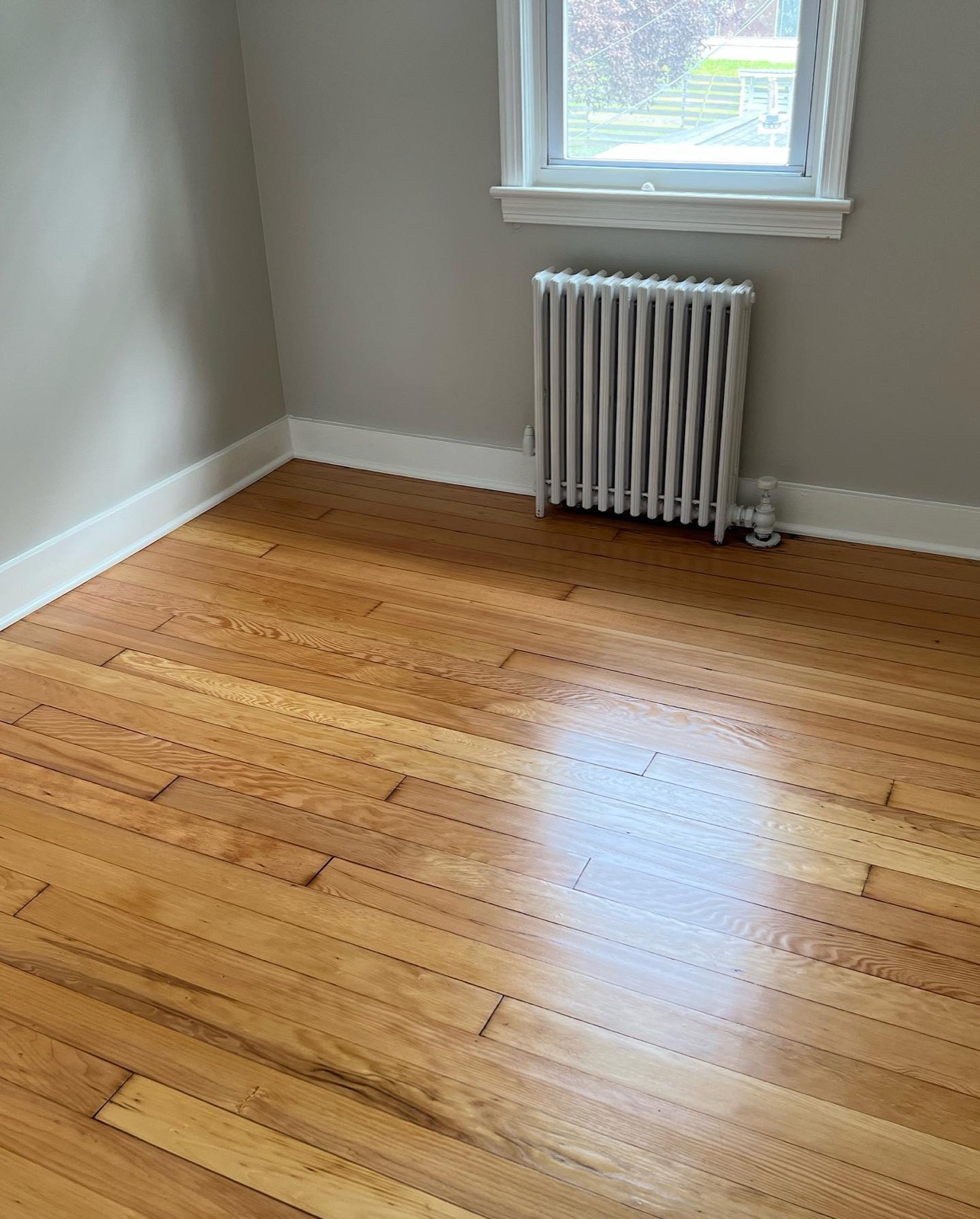
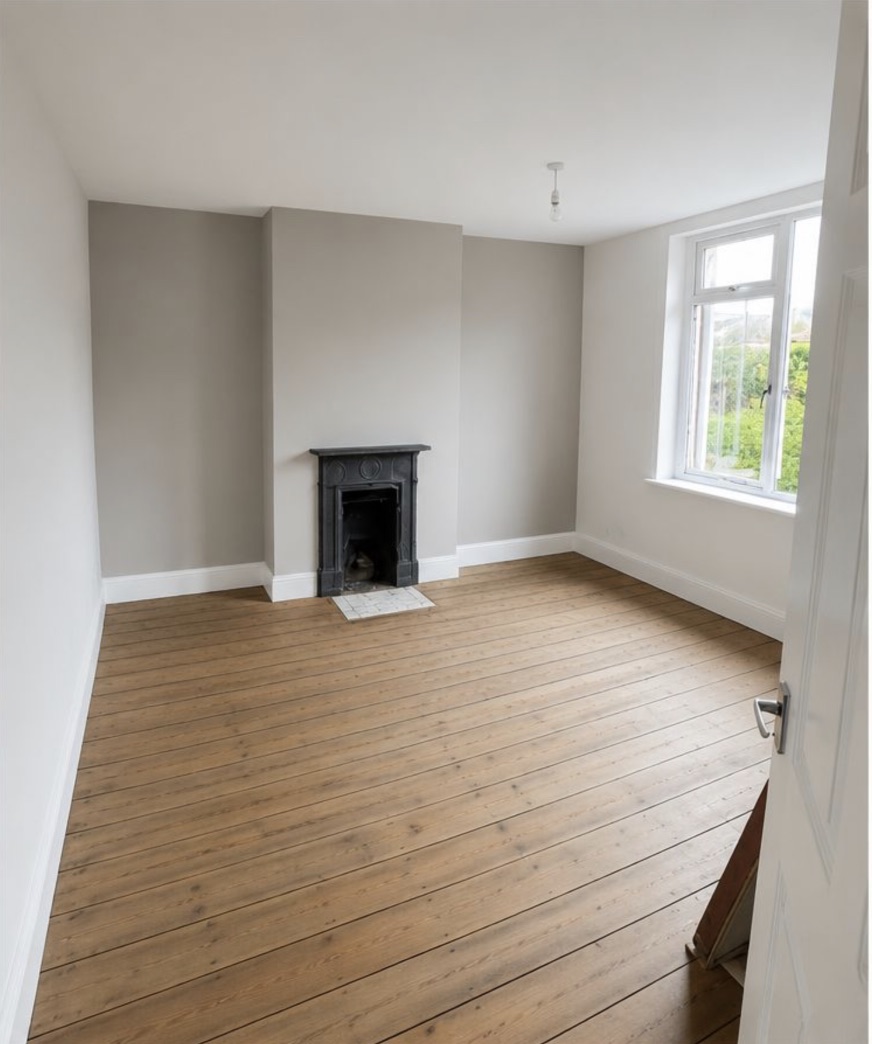
Free quote, no obligation. Reply within 48 h — and if needed, we come and measure on site.
Request a quote →